

GOMI/ DESIGN / DESIGN PERSPECTIVE
Designing relationships: from story to space
Why exhibitions become clearer when content, emotion, space, interaction and engineering are developed as one connected system.
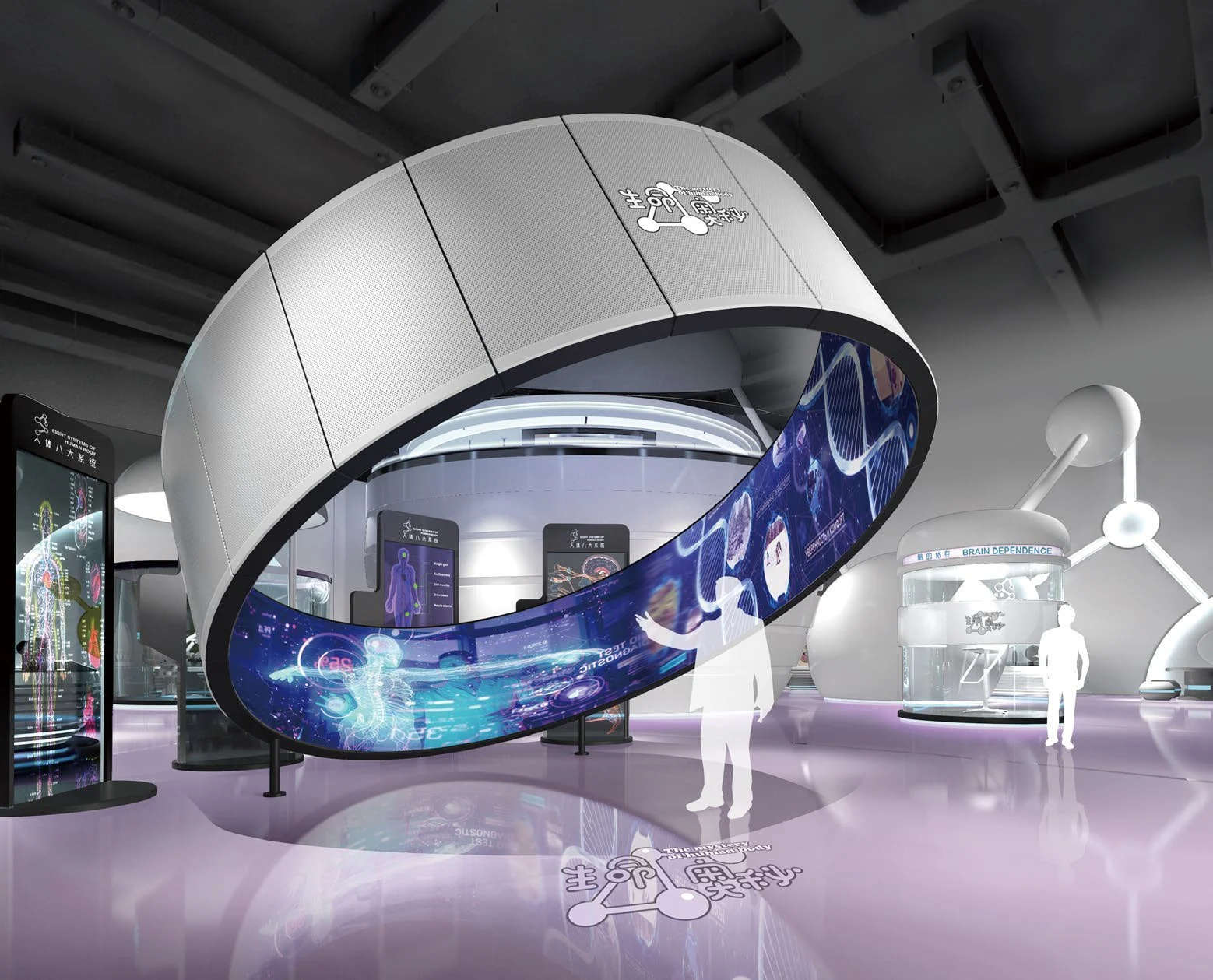
BEGIN WITH WHY
Before drawing the room, we ask why the project exists, who it is for and what visitors should understand. This turns source material into a position rather than a list of things to display.
DESIGN TWO JOURNEYS
A story journey organises what visitors discover. An emotional journey shapes how the experience unfolds through scale, light, material, sound, participation and pace. The two should strengthen each other.
CREATE RELATIONSHIPS
An exhibition is not a collection of independent objects. Exhibits, graphics, architecture, circulation and moments of pause gain meaning through how they relate.
USE TECHNOLOGY WITH PURPOSE
Interaction and media belong when they help people understand, participate or remember. The best technical solution supports the experience without becoming the subject of it.
THINK BEYOND OPENING DAY
Access, maintenance, content updates, staffing and changing visitor flows are design conditions. Considering them early gives the finished exhibition a longer and more useful life.
CONNECTED IDEAS
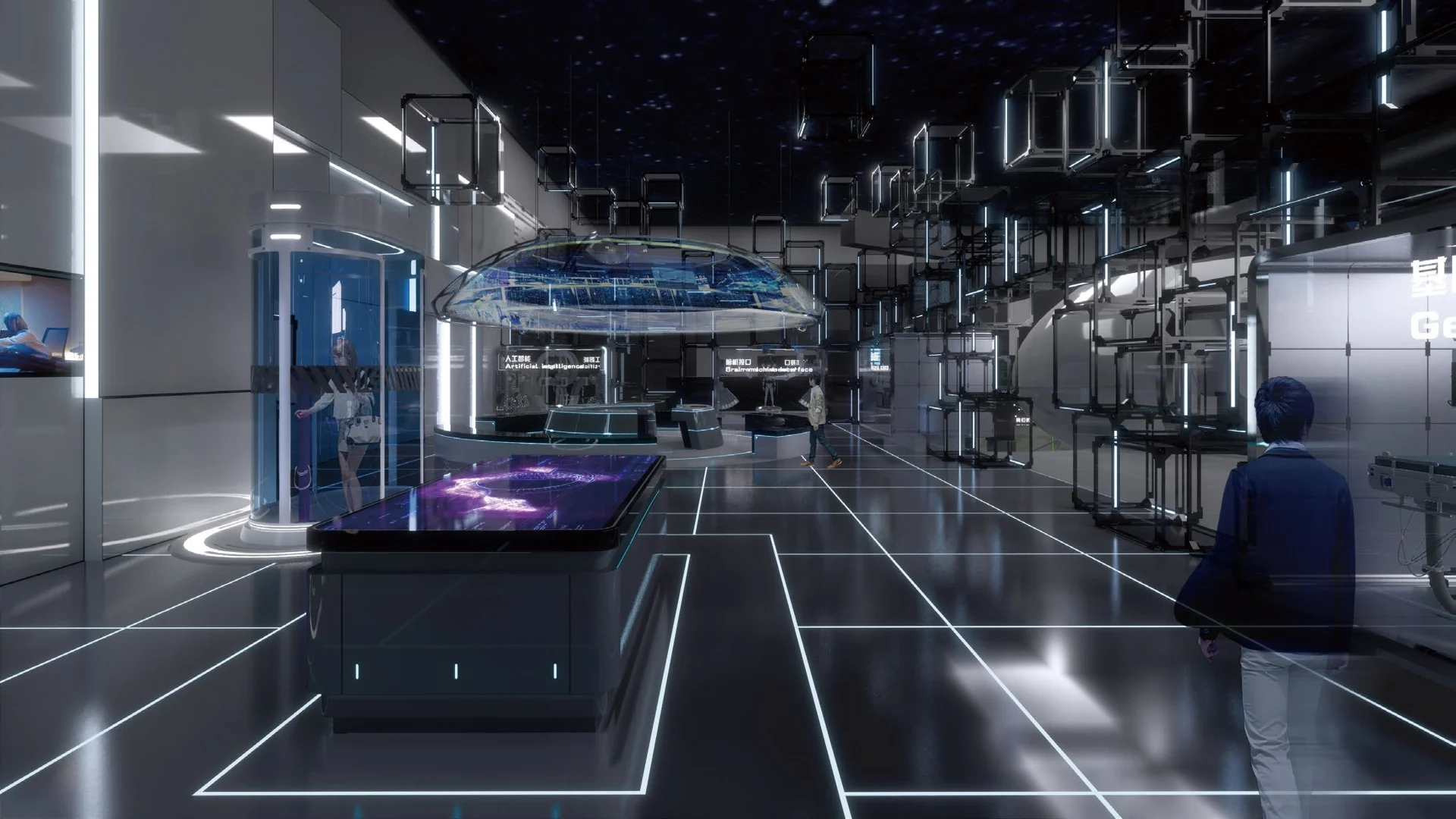 PROJECT
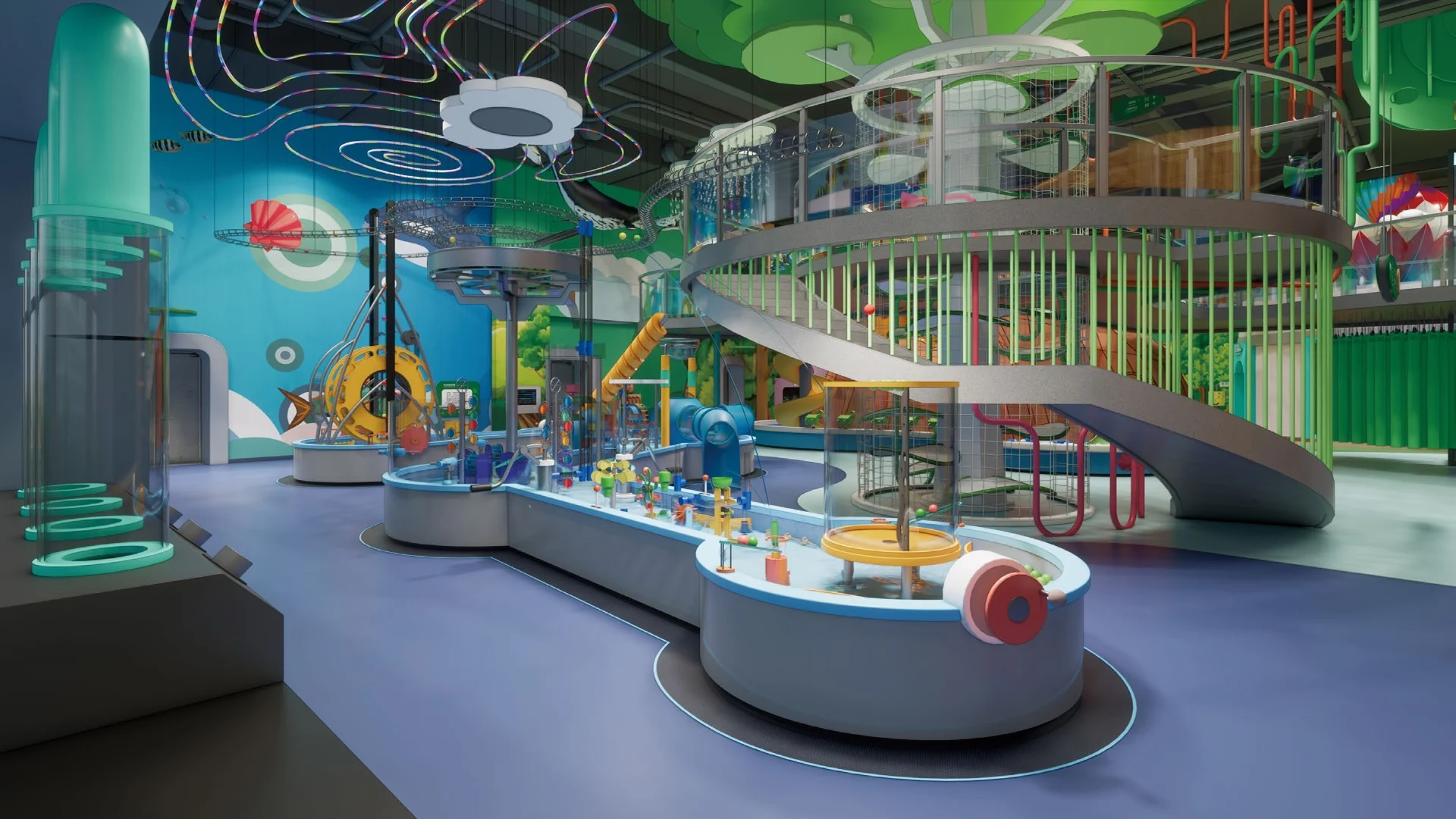 PROJECT
BEGIN WITH THE QUESTION