
GOMI/ OUR APPROACH
Understand first. Then design.
A seven-part method that carries purpose through narrative, experience, space, engineering, delivery and long-term use.
HOW WE THINK
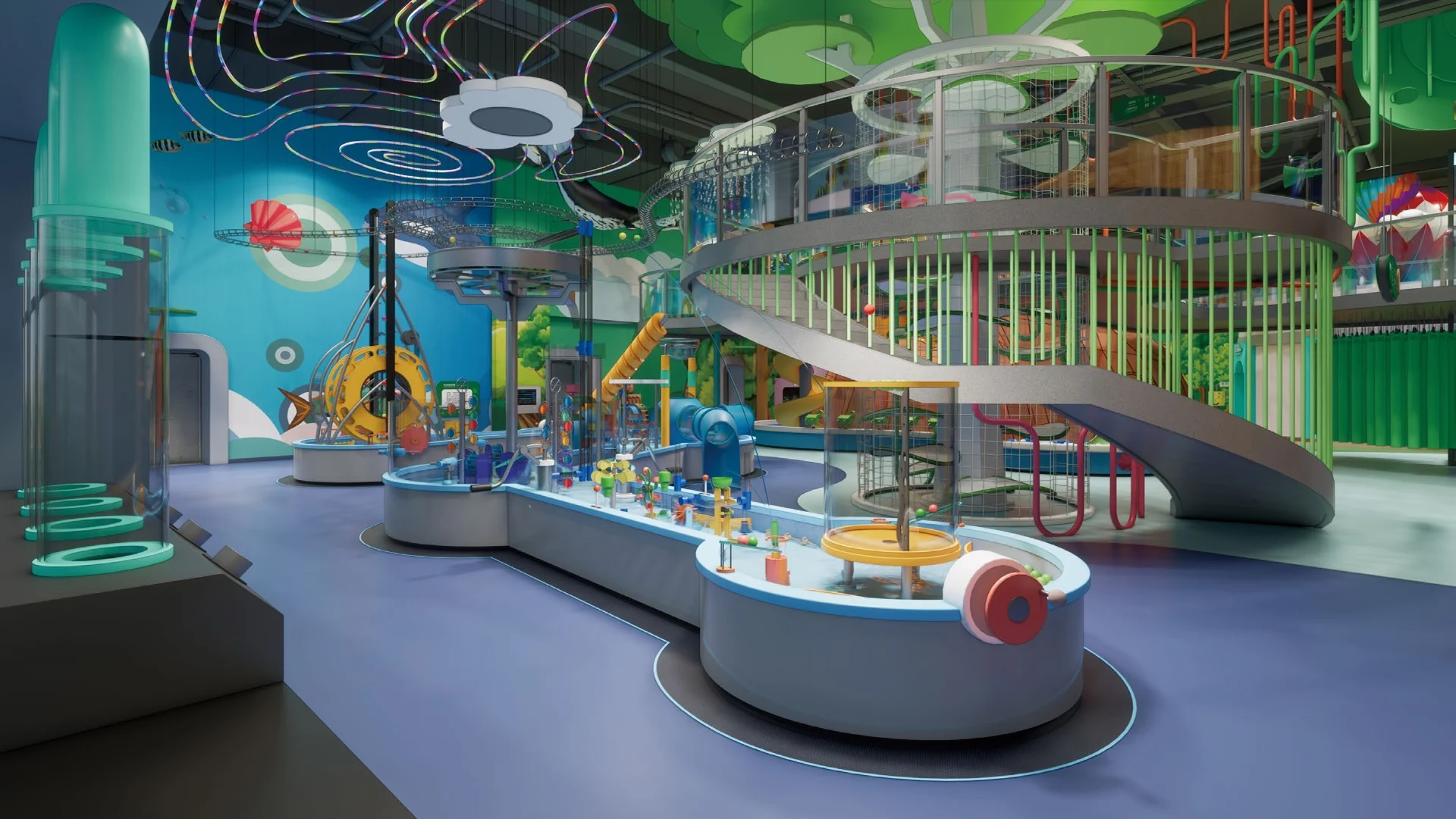
Understand the story before shaping the space.
We begin with meaning, then build the narrative, emotional rhythm and physical relationships that allow people to experience it. Form follows the work of understanding.
ONE CONNECTED SYSTEM
Story. Space. People.
An exhibition becomes coherent when content, physical space and visitor participation support the same central idea.
GOMI DESIGN PRINCIPLES
Six tests for every decision.
These principles are practical filters. They help the team decide what belongs, what needs work and what should be left out.
Meaning before form
We establish what the project needs to say before deciding how it should look.
Story before space
Content structure and visitor understanding give the spatial journey its direction.
Relationships, not objects
Exhibits, architecture, graphics, light and movement are composed as one connected system.
Less, but better
We decide what should lead, what should recede and what can be removed so the central idea stays clear.
Technology with purpose
A technical solution belongs only when it strengthens understanding, participation or the story.
Design for operation
Access, maintenance, content change and everyday use are design conditions from the beginning.
 01 / UNDERSTAND
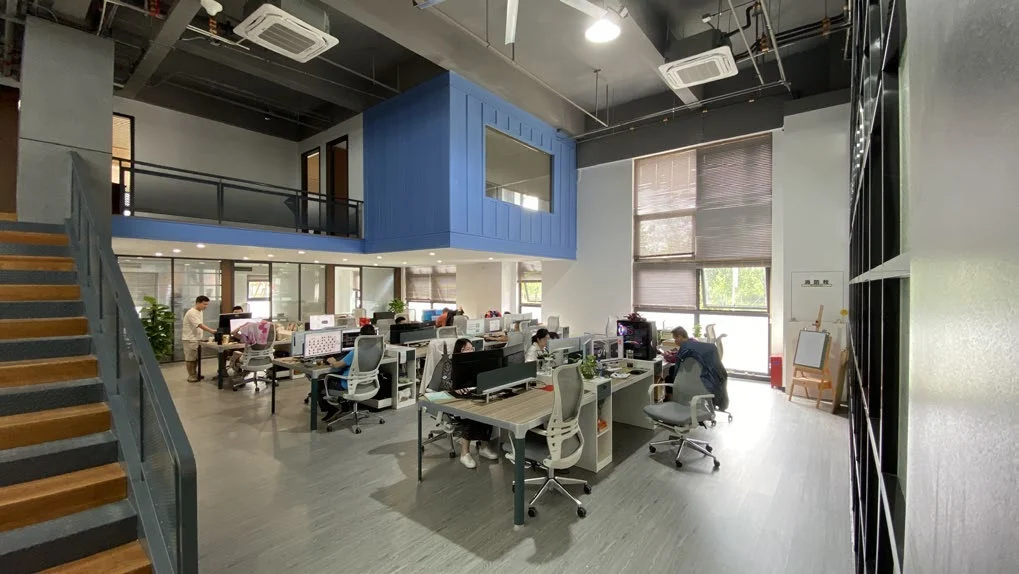
Begin with why.
We study why the project exists, who it is for, what the institution wants to achieve and what the physical context allows. The first task is to frame the right problem—not to draw a room.
What should people understand, feel or remember?
 02 / DEFINE
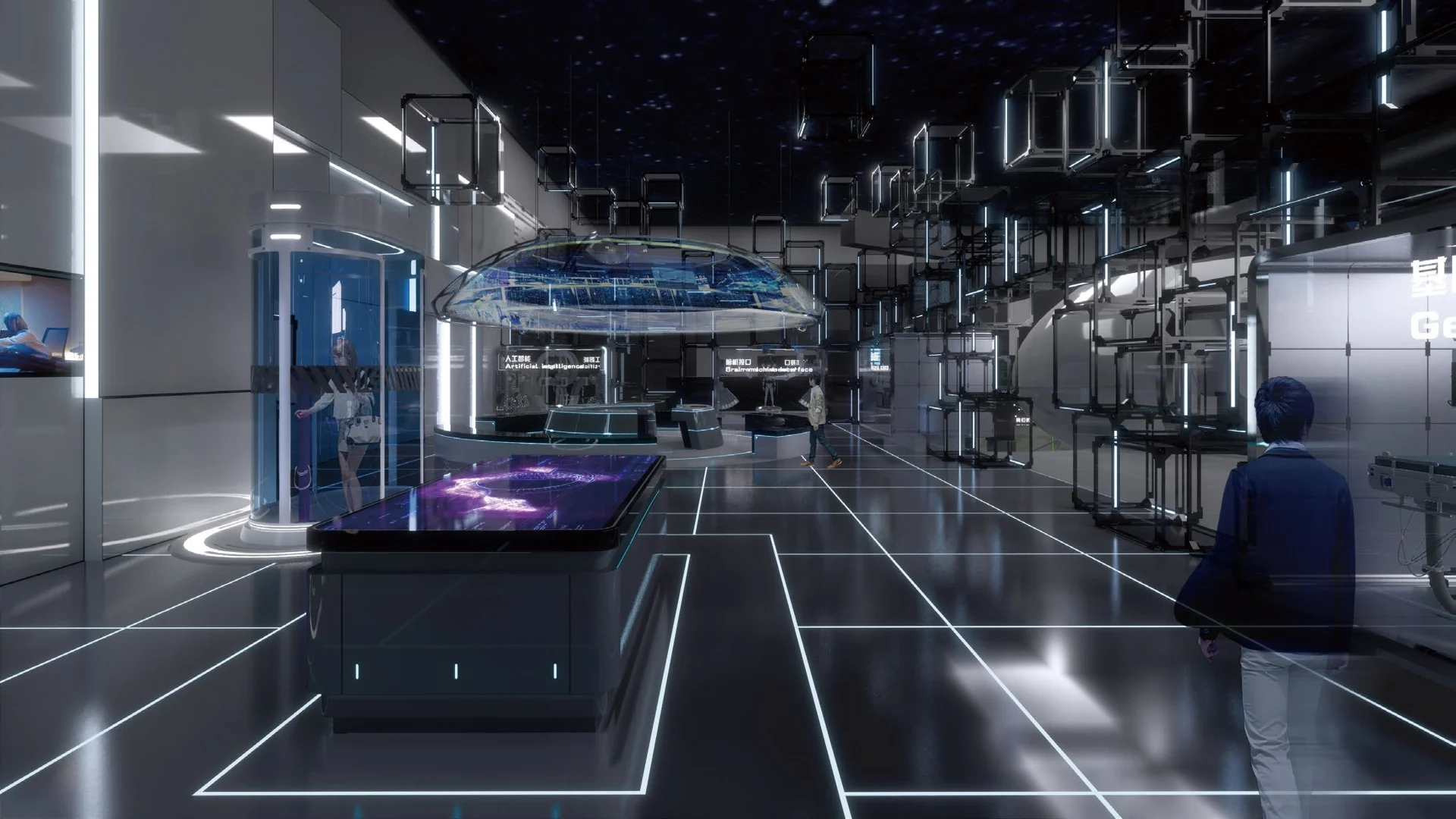
Find the central idea.
Research is distilled into a project-specific position. We identify the theme, value and point of view that can guide later choices without becoming a generic slogan.
What makes this project worth experiencing?
03 / NARRATE03 / NARRATE
Build two journeys.
The story journey organises what visitors discover. The emotional journey shapes when they become curious, participate, pause, feel surprise or make a connection. Both are planned together.
How should understanding and feeling unfold over time?
 04 / TRANSLATE
Give the idea physical form.
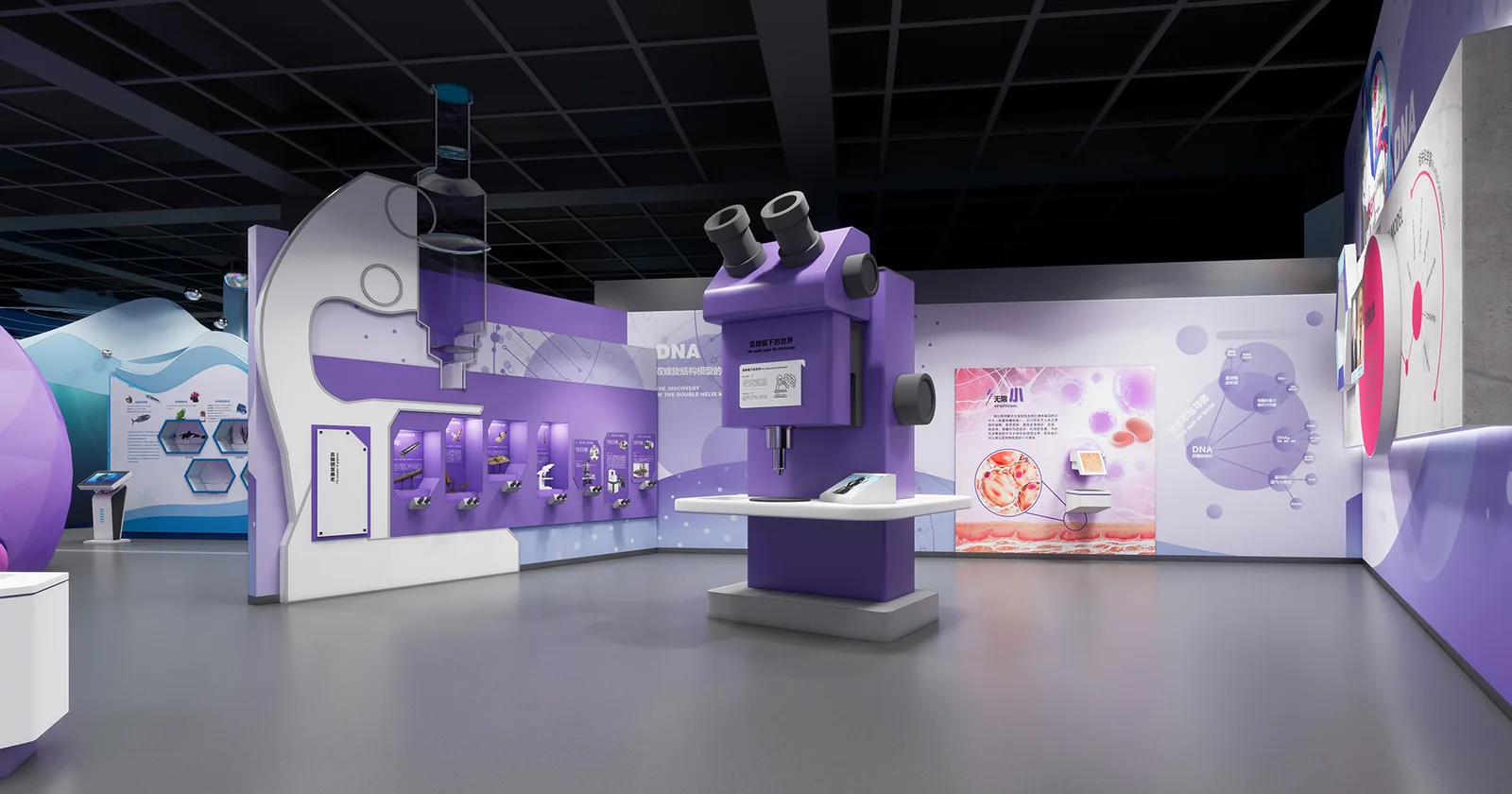
Abstract concepts become spatial relationships, scale, material, colour, light, graphics and interaction. Every visible decision should be traceable to the story it helps tell.
How can the space itself carry meaning?
 05 / EXPERIENCE
Design what people do and feel.
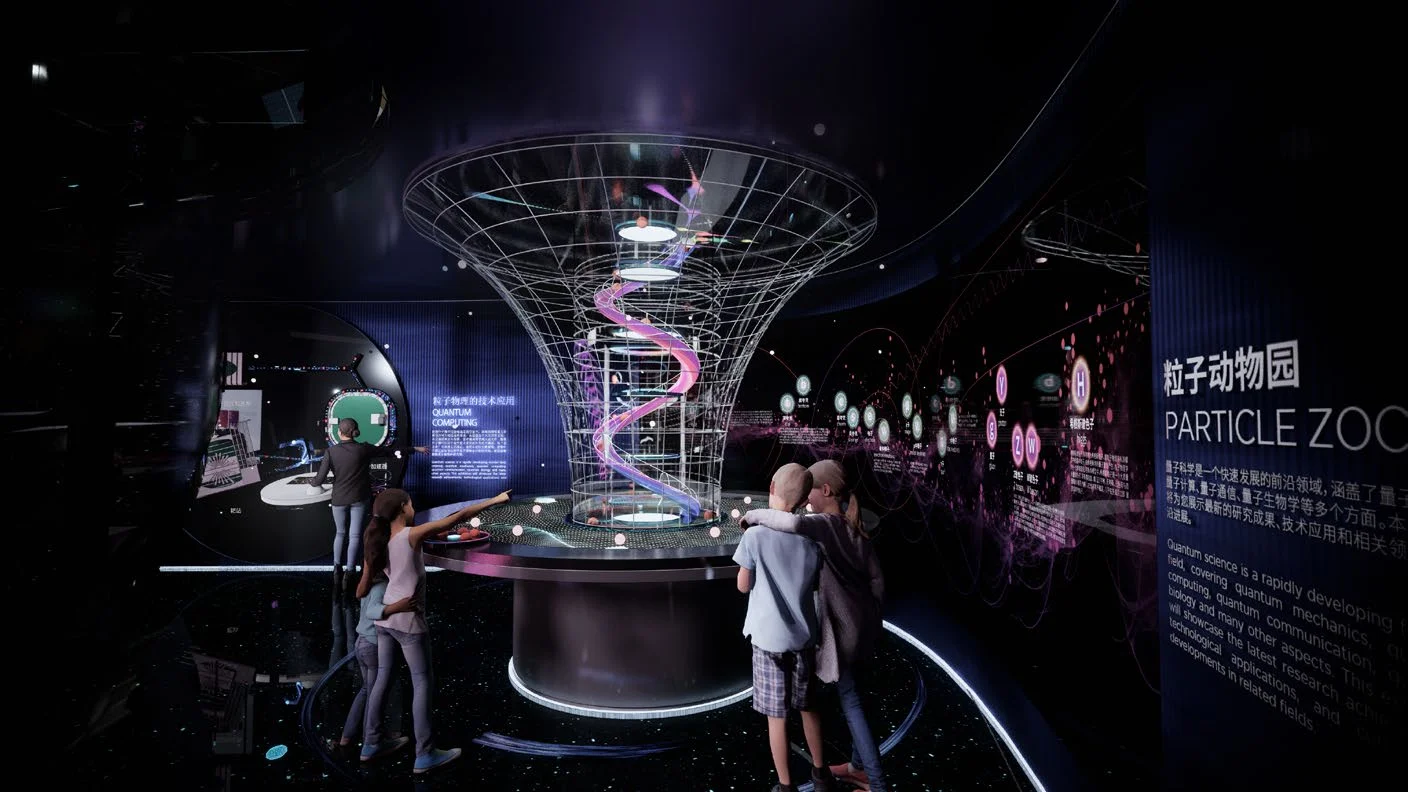
Observation, movement, participation and rest are choreographed as parts of one experience. Technology is selected for what it helps visitors understand—not for novelty.
What should visitors do at each moment, and why?
 06 / DELIVER
Make the idea work.
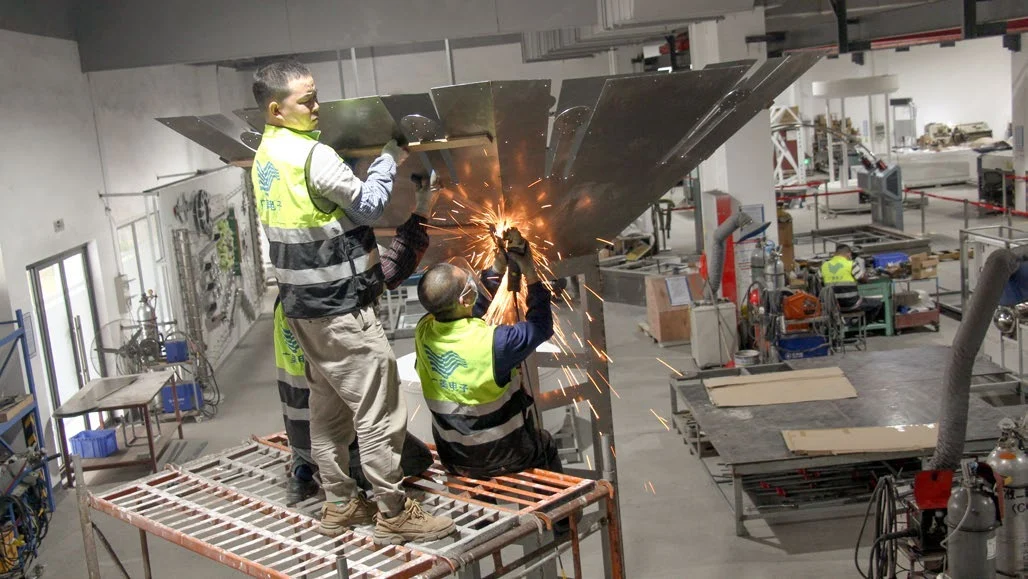
Design intent is resolved through engineering, detailed information, fabrication, integration, testing and installation. The concept remains visible while safety, reliability and buildability are made concrete.
How will the experience work in the physical world?
 07 / EVOLVE
Think beyond opening day.
Daily operation, staff access, maintenance, content updates, changing visitor flows and future upgrades are considered before handover. The exhibition is designed to keep working and remain useful.
What will this place need on every day that follows?
WAYS TO WORK WITH GOMI
Different starting points. One continuous thought.
Scope can begin at strategy, design development or integrated delivery. At every point, responsibilities and decisions are made explicit before work moves forward.
Concept & preliminary design
For institutions defining a new museum, gallery or renewal. We establish the central idea, narrative, visitor journey, spatial concept and exhibit direction.
Detailed design
For approved concepts that need coordinated information. We resolve spatial, exhibit, graphic, media and technical decisions for implementation.
Integrated delivery
For projects where design, engineering, fabrication, installation and commissioning need to remain connected through one workflow.
REVIEW POINTS
Keep the idea visible.
Purpose & brief
Theme & narrative
Experience & spatial concept
Design & engineering
Factory testing
Installation & operation
Review points keep the central idea, visitor experience, technical interfaces, budget and operational needs aligned as the project develops.
BEGIN WITH THE QUESTION